
Diabetic Foot Wound Complications and Prevention
- posted: Feb. 19, 2026
Diabetic foot wounds are a serious health concern that can affect mobility, independence, and overall quality of life. Because diabetes can interfere with circulation and nerve function, even minor injuries may heal slowly and become infected. Without proper care, small wounds can progress into serious complications. At Moore Foot and Ankle Specialists in Asheville, NC, patients receive focused podiatric care to prevent complications and protect long-term foot health.
Why Diabetic Foot Wounds Develop
Diabetes often affects the nerves and blood vessels in the feet. Reduced sensation, known as neuropathy, makes it difficult to feel cuts, blisters, or pressure points. As a result, injuries may go unnoticed and untreated. Poor circulation can also limit the body’s ability to deliver oxygen and nutrients needed for healing.
Common risk factors include dry skin, calluses, ill-fitting shoes, foot deformities, and minor trauma. Over time, these issues can lead to open sores or ulcers that require professional care.
Common Complications to Watch For
If diabetic foot wounds are not treated promptly, serious complications may develop. Infections can spread to deeper tissues and bone. Chronic ulcers may become difficult to heal and may lead to long-term tissue damage.
Warning signs include redness, swelling, drainage, foul odor, warmth around the wound, increasing pain, or changes in skin color. Any of these symptoms should be evaluated as soon as possible.
Importance of Early Evaluation and Treatment
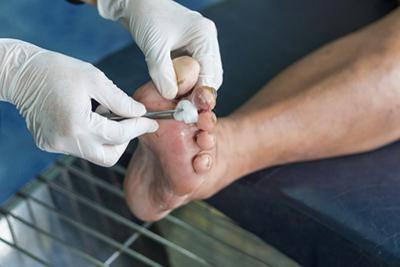
Early treatment plays a key role in preventing long-term damage. During an evaluation, podiatrists assess wound depth, circulation, pressure points, and signs of infection. Treatment plans are designed to promote healing while reducing stress on the affected area.
Care may include wound cleaning, protective dressings, pressure relief strategies, custom footwear, and ongoing monitoring. Addressing wounds early helps reduce the risk of hospitalization and more advanced treatment.
Daily Foot Care for Prevention
Preventing diabetic foot wounds begins with consistent daily care. Patients should inspect their feet every day for cuts, blisters, redness, or swelling. Using a mirror or asking for help can make it easier to check hard-to-see areas.
Keeping feet clean and dry, moisturizing dry skin, trimming nails carefully, and wearing properly fitted shoes all help reduce the risk of injury. Clean, well-cushioned socks and supportive footwear provide additional protection.
Managing Risk Factors and Long-Term Care
Maintaining stable blood sugar levels supports circulation, immune function, and wound healing. Staying physically active, managing weight, and following medical recommendations also contribute to better foot health.
Regular podiatric visits allow early detection of changes that may lead to wounds. Routine care helps manage calluses, nail problems, and pressure areas before they become serious.
Diabetic Foot Wound Care in Asheville, NC
Diabetic foot wounds do not have to lead to long-term disability when managed properly. Moore Foot and Ankle Specialists provides comprehensive care for diabetic foot wounds in Asheville, NC, with a focus on prevention, early treatment, and personalized support.
If you have diabetes and are concerned about foot wounds or changes in your feet, schedule an evaluation at Moore Foot and Ankle Specialists today. Call (828) 350-1880 to protect your foot health and maintain your mobility.