When to See a Podiatrist for Foot Blisters

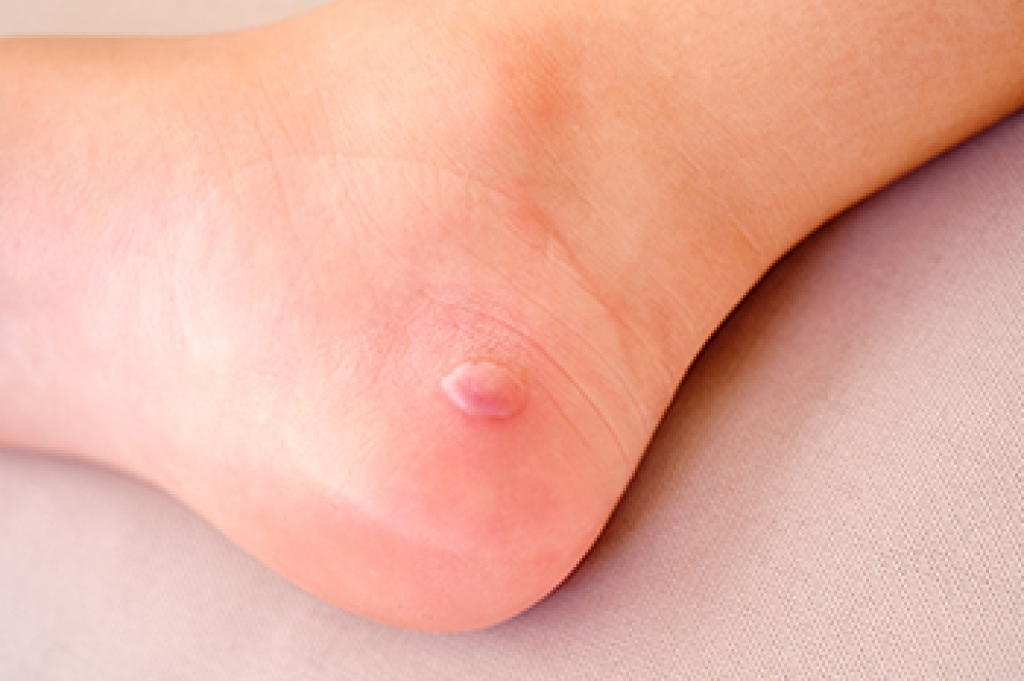
Blisters are small pockets of fluid that form beneath the skin and are common on the feet. They often develop when repeated rubbing or pressure damages the upper layers of skin. Shoes that rub against the heel or toes can contribute to friction, especially during extended periods of walking or physical activity. Blisters may also result from burns, allergic reactions, or certain medical conditions. A typical foot blister contains clear fluid and may feel tender or painful when pressure is applied. Although many blisters are minor, their location can make standing and walking uncomfortable.


Foot blisters can vary in size and severity. Some remain intact, while others break and leave sensitive skin exposed. A blister may become infected if bacteria enter damaged skin. Signs of a possible infection can include increasing pain, redness, or pus. People with diabetes or problems with circulation should take foot wounds seriously because complications may be more likely. Repeated blisters can also indicate an underlying issue with footwear, foot shape, or the way pressure is distributed while walking. When blisters continue to return or interfere with mobility, a professional foot evaluation can help identify contributing factors and determine whether additional care is necessary.


A podiatrist can evaluate painful or recurring foot blisters and determine whether another foot condition is contributing to the problem. The examination may include assessing the blister, surrounding skin, and areas of repeated pressure. A podiatrist can also evaluate foot structure and walking patterns when friction repeatedly develops in the same location. Depending on the condition, podiatric treatment may involve professional wound care, pressure-relieving measures, or recommendations for properly fitting footwear. Prompt professional care is especially important when infection or poor healing is a concern. If painful, recurring, or slow-healing foot blisters are making walking uncomfortable, it is suggested that you consult a podiatrist for an evaluation and appropriate treatment options.

Blisters are prone to making everyday activities extremely uncomfortable. If your feet are hurting, contact one of our doctors of Moore Foot & Ankle Specialist. Our doctors can provide the care you need to keep you pain-free and on your feet.

Foot Blisters

Foot blisters develop as a result of constantly wearing tight or ill-fitting footwear. This happens due to the constant rubbing from the shoe, which can often lead to pain.

What Are Foot Blisters?

A foot blister is a small fluid-filled pocket that forms on the upper-most layer of the skin. Blisters are filled with clear fluid and can lead to blood drainage or pus if the area becomes infected.

How Do Blisters Form?

Blisters on the feet are often the result of constant friction of skin and material, usually by shoe rubbing. Walking in sandals, boots, or shoes that don’t fit properly for long periods of time can result in a blister. Having consistent foot moisture and humidity can easily lead to blister formation.

Prevention & Treatment

It is important to properly care for the affected area in order to prevent infection and ease the pain. Do not lance the blister and use a Band-Aid to provide pain relief. Also, be sure to keep your feet dry and wear proper fitting shoes. If you see blood or pus in a blister, seek assistance from a podiatrist.

If you have any questions, please feel free to contact our office located in Asheville, NC . We offer the newest diagnostic and treatment technologies for all your foot care needs.

Read more about Blisters on the Feet

Broken Toe Causes and Risk Factors

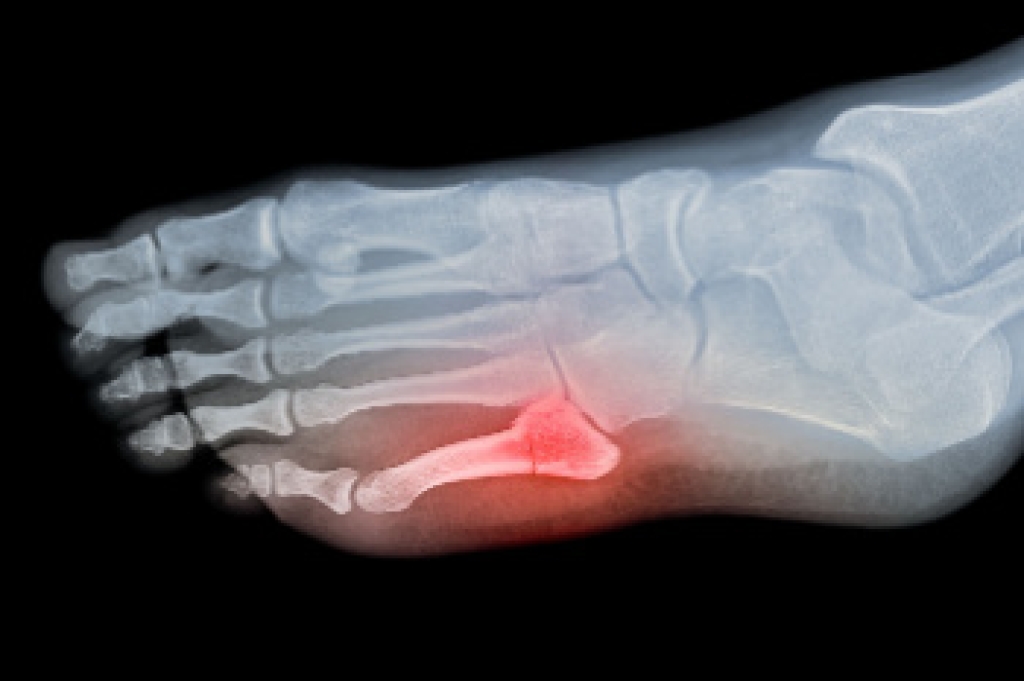
A broken toe is a foot injury that occurs when one of the small bones in the toe becomes fractured. This condition can result from direct trauma, such as stubbing the toe, or from prolonged repetitive movements that place stress on the bones. Stress fractures are tiny cracks in the bone that develop gradually due to repeated impact, often seen in athletes or individuals who spend long hours on their feet. Weakened bones, which may occur due to aging or certain health conditions, can also increase the risk of a fracture. Understanding how broken toes develop can help individuals recognize the condition early and take appropriate action.

Symptoms of a broken toe often appear quickly after injury. Bruising and swelling commonly develop around the affected area, making the toe tender to touch. In some cases, the toe may appear bent or deformed, which can indicate a more serious fracture. Limited movement and stiffness may also occur, especially if the injury is not addressed promptly. These symptoms can interfere with daily activities and should not be ignored.


Several risk factors can increase the likelihood of a broken toe. Individuals who engage in repetitive high-impact activities such as running or jumping are more prone to stress fractures. Wearing improper footwear that lacks support or protection can also contribute to injury. Weakened bones caused by nutritional deficiencies or reduced bone density may make fractures more likely, even with minor trauma. Environments with uneven surfaces or cluttered spaces can further increase the risk of accidental impact.


Preventing broken toes involves taking practical steps to protect foot health. Wearing well-fitted shoes with adequate support can reduce the risk of injury during daily activities and exercise. If you notice persistent pain or visible changes in the toe, it is important to seek podiatric care. If you have broken a toe, it is suggested that you consult a podiatrist for effective relief and treatment solutions. 

A broken toe can be very painful and lead to complications if not properly fixed. If you have any concerns about your feet, contact one of our doctors from Moore Foot & Ankle Specialist. Our doctors will treat your foot and ankle needs.

What to Know About a Broken Toe

Although most people try to avoid foot trauma such as banging, stubbing, or dropping heavy objects on their feet, the unfortunate fact is that it is a common occurrence. Given the fact that toes are positioned in front of the feet, they typically sustain the brunt of such trauma. When trauma occurs to a toe, the result can be a painful break (fracture).

Symptoms of a Broken Toe

  • Throbbing pain
  • Swelling
  • Bruising on the skin and toenail
  • The inability to move the toe
  • Toe appears crooked or disfigured
  • Tingling or numbness in the toe

Generally, it is best to stay off of the injured toe with the affected foot elevated.

Severe toe fractures may be treated with a splint, cast, and in some cases, minor surgery. Due to its position and the pressure it endures with daily activity, future complications can occur if the big toe is not properly treated.

If you have any questions, please feel free to contact our office located in Asheville, NC . We offer the newest diagnostic and treatment technologies for all your foot care needs.
Read more about What to Know About a Broken Toe

Why Gait Is Important to Foot Health

Gait is the pattern your body follows when you walk, jog, or run. A steady gait helps the feet absorb impact and move body weight forward with control. It also depends on the lower-body joints and upper body working together. When one part does not move well, another area can take on extra stress. This change can lead to foot pain, joint strain, or loss of balance. A healthy gait therefore supports comfortable movement, activity, and independence. It also lowers the chance of falls and injuries.

Changes in gait can reveal an injury or health problem. Warning signs include limping, shuffling, or taking uneven steps. A person might also drag the toes, place too much weight on one side, or have trouble pushing off the ground. Foot pain, weak muscles, and stiff joints can alter the way someone moves. Differences in leg length or foot shape can also affect balance and step length. Because these problems place pressure on other body parts, pain can spread to the ankles, knees, or hips. An altered gait can also make playing sports and completing daily tasks harder.

A podiatrist can study how the feet and lower legs move while a patient walks or runs. The examination includes checking foot position, joint movement, and areas of tenderness. The podiatrist may also measure stride length, watch how each foot meets the ground, and examine the patient’s shoes for uneven wear. Imaging can help identify a bone or joint problem noticed during the exam. Treatment is based on the cause of the gait change. A podiatrist can provide custom shoe inserts to improve foot position or recommend shoes with proper support. Bracing can improve stability in some patients. Early diagnosis can reduce harmful pressure and protect joints. If you have pain while walking or during a sports activity, it is suggested that you schedule an appointment with a podiatrist to see if a gait analysis is right for you.

If you have any concerns about your feet, contact one of our doctors from Moore Foot & Ankle Specialist. Our doctors can provide the care you need to keep you pain-free and on your feet.

Biomechanics in Podiatry

Podiatric biomechanics is a particular sector of specialty podiatry with licensed practitioners who are trained to diagnose and treat conditions affecting the foot, ankle and lower leg. Biomechanics deals with the forces that act against the body, causing an interference with the biological structures. It focuses on the movement of the ankle, the foot and the forces that interact with them.

A History of Biomechanics

  • Biomechanics dates back to the BC era in Egypt where evidence of professional foot care has been recorded.
  • In 1974, biomechanics gained a higher profile from the studies of Merton Root, who claimed that by changing or controlling the forces between the ankle and the foot, corrections or conditions could be implemented to gain strength and coordination in the area.

Modern technological improvements are based on past theories and therapeutic processes that provide a better understanding of podiatric concepts for biomechanics. Computers can provide accurate information about the forces and patterns of the feet and lower legs.

Understanding biomechanics of the feet can help improve and eliminate pain, stopping further stress to the foot.

If you have any questions please feel free to contact our office located in Asheville, NC . We offer the newest diagnostic and treatment technologies for all your foot and ankle needs.

Read more about The Importance of Biomechanics in Podiatry

Diabetes and Its Impact on Foot Health

Diabetes affects how the body processes blood sugar, also known as glucose. When blood sugar levels remain elevated, it can damage blood vessels and nerves throughout the body. This damage often affects the feet because they are farthest from the heart and rely on strong circulation and nerve function. Diabetic foot problems can develop gradually and may include a range of complications that impact mobility and comfort. Understanding how diabetes affects the feet is essential for preventing long-term issues.

Symptoms of diabetic foot problems can vary but often include numbness, burning sensations, and reduced sensitivity. Some individuals may experience swelling, also known as edema, along with dry or cracked skin. Because nerve damage can limit feeling, small cuts or blisters may go unnoticed and worsen. In more advanced cases, infections or ulcers can develop, which may require more intensive care. Recognizing these symptoms early can help reduce the risk of serious complications.


The causes of diabetes include factors such as genetics, poor diet, lack of physical activity, and insulin resistance. Persistently high blood sugar damages the nerves, leading to peripheral neuropathy, and weakens blood vessels, which reduces circulation. This combination explains why the feet are especially vulnerable. Reduced blood flow can slow healing, while nerve damage prevents the body from signaling injury or irritation. Together, these effects increase the risk of developing foot ulcers and infections.


Risk factors for diabetic foot problems include long-term diabetes, poor blood sugar control, and obesity. Wearing improper footwear and neglecting daily foot care can also increase the chance of injury. Regular monitoring and proper hygiene are essential for maintaining healthy feet. Preventive care can reduce complications and improve quality of life. If you have diabetes, it is strongly suggested that you are under the care of a podiatrist who can help you to manage this serious condition.

Diabetic foot care is important in preventing foot ailments such as ulcers. If you are suffering from diabetes or have any other concerns about your feet, contact one of our doctors from Moore Foot & Ankle Specialist. Our doctors can provide the care you need to keep you pain-free and on your feet.

Diabetic Foot Care

Diabetes affects millions of people every year. The condition can damage blood vessels in many parts of the body, especially the feet. Because of this, taking care of your feet is essential if you have diabetes, and having a podiatrist help monitor your foot health is highly recommended.

The Importance of Caring for Your Feet

  • Routinely inspect your feet for bruises or sores.
  • Wear socks that fit your feet comfortably.
  • Wear comfortable shoes that provide adequate support.

Patients with diabetes should have their doctor monitor their blood levels, as blood sugar levels play such a huge role in diabetic care. Monitoring these levels on a regular basis is highly advised.

It is always best to inform your healthcare professional of any concerns you may have regarding your feet, especially for diabetic patients. Early treatment and routine foot examinations are keys to maintaining proper health, especially because severe complications can arise if proper treatment is not applied.

If you have any questions, please feel free to contact our office located in Asheville, NC . We offer the newest diagnostic and treatment technologies for all your foot care needs.

Read more about Diabetic Foot Conditions

How Exercise Can Improve Foot Strength and Balance

Exercise plays an important role in protecting older adults from falls and helping them stay active and independent. Regular movement improves muscle strength, balance, and flexibility, making it easier to walk with confidence and react to uneven ground. Many older adults benefit from a routine that combines endurance activities, strength training, and balance exercises. Walking, swimming, and cycling help build endurance. Light resistance exercises improve muscle strength. Balance activities, like tai chi and standing on one foot, help reduce the risk of falling. Stretching also keeps muscles and joints moving comfortably, making everyday activities easier and safer.

Good foot health is another important part of falls protection. Painful feet, numbness, poor circulation, and foot deformities can affect balance and make walking less stable. Wearing shoes that fit well and provide proper support can improve stability and reduce slipping. Shoes should match the activity being performed and provide enough room for the toes. A podiatrist examines the feet, checks for changes in sensation, and evaluates how patients walk. This examination helps identify problems that increase the risk of falling. A podiatrist also recommends custom orthotics when appropriate to improve balance and relieve pressure on painful areas. Regular foot exams help detect changes before they become more serious.

Exercise is most effective when it becomes part of a regular routine. Adults age 65 and older benefit from at least 150 minutes of moderate physical activity each week. Strength exercises should be completed at least twice each week. Balance and flexibility exercises should also be performed regularly. Staying active supports better mobility, greater confidence, and a lower risk of falls. Healthy feet make exercise safer and more comfortable, allowing people to continue enjoying daily activities. Early attention to foot problems helps prevent mobility challenges that could increase fall risk. If you have injured your foot or ankle while falling, it is suggested that you schedule an appointment with a podiatrist for diagnosis and appropriate treatment.

Preventing falls among the elderly is very important. If you are older and have fallen or fear that you are prone to falling, consult with one of our doctors from Moore Foot & Ankle Specialist. Our doctors will assess your condition and provide you with quality advice and care.

Every 11 seconds, an elderly American is being treated in an emergency room for a fall related injury. Falls are the leading cause of head and hip injuries for those 65 and older. Due to decreases in strength, balance, senses, and lack of awareness, elderly persons are very susceptible to falling. Thankfully, there are a number of things older persons can do to prevent falls.

How to Prevent Falls

Some effective methods that older persons can do to prevent falls include:

  • Enrolling in strength and balance exercise program to increase balance and strength
  • Periodically having your sight and hearing checked
  • Discuss any medications you have with a doctor to see if it increases the risk of falling
  • Clearing the house of falling hazards and installing devices like grab bars and railings
  • Utilizing a walker or cane
  • Wearing shoes that provide good support and cushioning
  • Talking to family members about falling and increasing awareness

Falling can be a traumatic and embarrassing experience for elderly persons; this can make them less willing to leave the house, and less willing to talk to someone about their fears of falling. Doing such things, however, will increase the likelihood of tripping or losing one’s balance. Knowing the causes of falling and how to prevent them is the best way to mitigate the risk of serious injury.  

If you have any questions, please feel free to contact our office located in Asheville, NC . We offer the newest diagnostic and treatment technologies for all your foot care needs.

Read more about Falls Prevention